
Save Your Strands: 5 Hacks to Make Your Hair Extensions Last Longer
Hair Today, Still Here Tomorrow: 5 Pro Tips for Caring for Hair Extensions
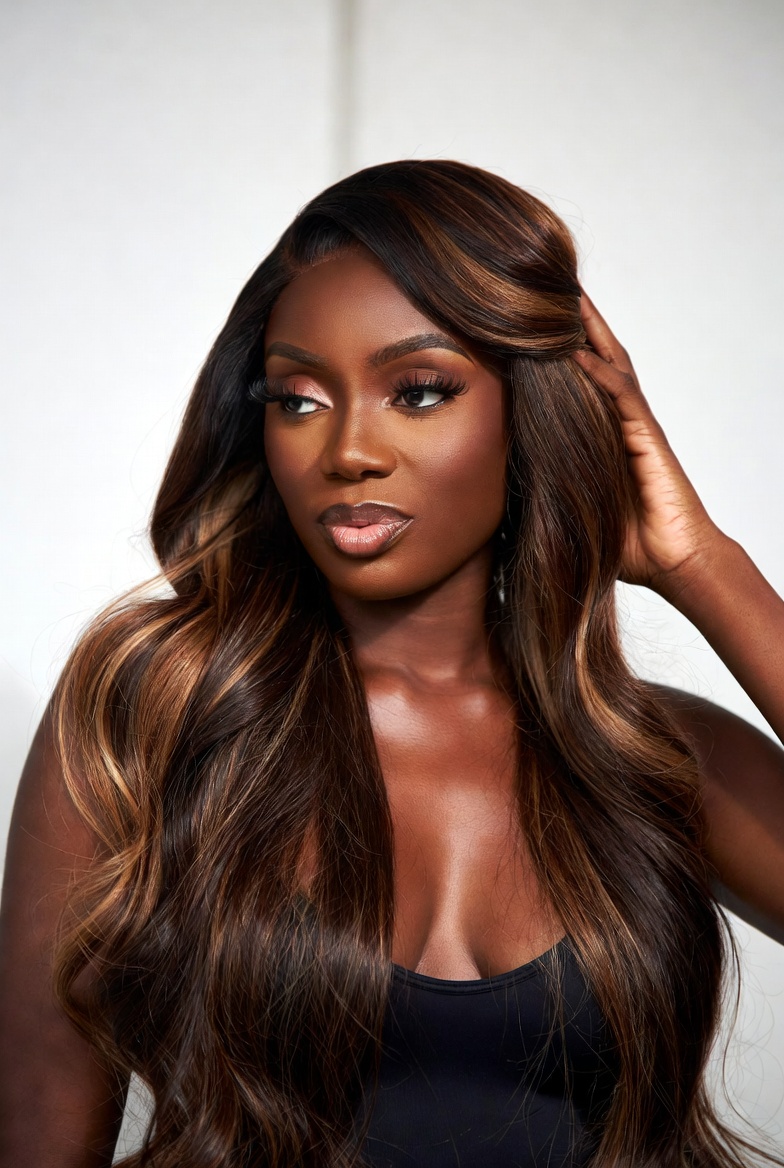
Hair extensions are a popular way to increase length, volume, and style options for your hair. They come in a variety of types including clip-ins, tape-ins, wefts, and micro link/bead extensions. On average, high-quality hair extensions can last anywhere from 3-6 months with proper care and maintenance. However, there are steps you can take to extend the lifespan of your hair extensions and get the most out of your investment. Proper maintenance is key when it comes to making hair extensions last. By following some simple tips, you can keep your extensions looking beautiful for longer.
The key is being gentle, keeping them clean, and avoiding damage from heat styling, brushing, and swimming. Following proper aftercare once they are installed is crucial as well. With some simple hair extension care and maintenance steps, your extensions can continue looking lush and beautiful for months or even up to a year.
Choose High-Quality Hair
When selecting hair extensions, one of the most important choices is between human hair and synthetic hair. Both have their pros and cons.
Human hair extensions are made from real human hair collected from donors. The main benefits of human hair are:
– More versatile styling – you can curl, straighten, dye, and style human hair just like your own hair. Synthetic hair can’t handle heat very well.
– Blends more naturally with your natural hair in color, feel, and texture. Synthetic hair tends to look more fake.
– Longer lasting – human hair can last 6 months or longer with proper care. Synthetic hair tends to tangle and matt much faster.
– Can be re-used if removed carefully. Synthetic hair needs to be replaced once removed.
The downsides of human hair are mainly the higher cost and the ethical concerns with how some human hair is sourced.
Synthetic hair is made from plastic fibers. The pros of synthetic hair are:
– Much more affordable than human hair.
– Available in a wider range of colors that aren’t natural human hair colors.
– Can create very full, voluminous looks as the fibers are lighter.
The cons are that synthetic hair can’t be styled with heat, doesn’t blend as seamlessly, and has a shorter lifespan of 1-3 months.
When choosing human hair, aim for 100% remy or virgin hair which indicates the hair cuticles are kept intact for a more natural look. Indian, Brazilian, Malaysian, Peruvian, Russian, and European are generally considered high-quality regions for human hair. Be wary of extremely cheap hair as the quality is often poor. Investing in quality hair from the start will pay off in the long run.
Proper Installation
Installing hair extensions properly is crucial for getting the most wear out of them. There are several installation methods to choose from, with tape-in, clip-in, and fusion among the most popular. The method you choose depends on your hair type, desired look, and lifestyle. Many opt for removable clip-ins or tape-ins for long-term wear to avoid damage to hair from adhesives or heat.
Finding an experienced, qualified stylist is highly recommended for any installation method. Look for someone who specializes in extensions and has years of experience. They should evaluate your hair first to determine the optimal technique. Proper sectioning, precise placement of bonds/clips/tape, and proper sealing and finishing is vital. This helps avoid irritation, matting, and premature shedding or loss. An experienced stylist will also suggest any special products or accessories needed for aftercare based on your hair type.
Using improper technique can seriously damage hair. This includes failing to prep hair properly, overheating during fusion, applying excess bonding agent, or placing extensions too close to the scalp or too tightly. Even with high-quality extensions, sloppy installation is a recipe for shedding, breakage, and headaches. Do your homework to find a stylist you trust for a seamless install.
Gentle Handling of Hair Extensions
Hair extensions, especially longer lengths, require extra care and gentleness to avoid tangling and matting. Here are some tips for gently handling your hair extensions:
– Use a wide-tooth comb or soft bristle brush to gently detangle strands starting from the bottom and working up. Avoid harsh brushing or pulling which can damage the hair.
– When shampooing, apply the product to the roots and scalp without scrubbing the extensions themselves. Use your fingers or a wide-tooth comb to distribute the shampoo through the length of the hair.
– Rinse thoroughly with cool water to avoid product buildup. After washing, gently squeeze out excess water and apply a moisturizing conditioner to help de-tangle.
– Pat hair dry with an absorbent towel or air dry instead of rubbing. Allow hair to dry at least 80% of the way before using any heated tools.
– Look for smoothing serums, oils or creams designed for extensions that you can apply after washing. These help provide nutrients while making the hair more manageable.
– Use the appropriate sized barrel and low heat settings when curling or straightening extensions to avoid placing too much tension on the bonds. Work in sections for even heating and styling.
– At night, loosely braid or pineapple hair into a loose up-do. Avoid tight ponytails or buns when sleeping as these can cause matting. Use satin pillowcases for less friction.
Gently handling extensions helps maintain their quality and appearance for longer wear. Invest in the proper haircare tools and products suited for extensions to keep them in their best condition.
Regular Maintenance
Getting hair extensions can allow you to instantly achieve your dream length and volume. However, maintaining your extensions properly is crucial for keeping them looking healthy and natural. Schedule visits with your stylist every 6-8 weeks to have them check on the extensions and re-install them as needed. The bonds and beads can loosen over time, leading to tangling if not addressed.
You’ll also want to keep up with regular trims, even though your length comes from the added hair. Getting your natural hair trimmed every 8-12 weeks will allow your own hair to stay healthy and blend seamlessly with the extensions. Let your stylist know that you have extensions put in so they can trim accordingly. Avoid trimming the extensions themselves, as that will reduce their length over time.
Keep your extensions looking fresh by scheduling regular maintenance appointments to have your stylist check the bonds, re-install as needed, and trim your natural hair. This helps the extensions lay properly and blend for a natural look.
Protective Styling
Protective styling involves keeping your extensions in styles that limit manipulation and friction. This prevents excessive tangling, matting, and breakage.
Some benefits of low-manipulation protective styles:
– **Braids** – Box braids, cornrows, and other tight braiding patterns keep the hair secure and free from friction. The tension encourages the hair to grow straight rather than tangle.
**Buns** – High buns, low buns, topknots, and sock buns gently pull the hair together at the nape of the neck or crown of the head. This prevents the ends from rubbing against clothing and surfaces.
**Ponytails** – High and low ponytails smoothly gather the hair into an elastic band. Just be careful not to pull too tightly when securing the ponytail.
When opting to use heat tools like curling irons or flat irons, always apply a heat protectant spray first. These sprays coat the hair to shield it from extreme temperatures and decrease friction. They help minimize heat damage that could otherwise cause extensions to dry out and snap.
By keeping hair up and away from sources of friction, protective styles maintain the integrity of the bonds between your natural hair, the extensions, and the installation method used. Following an overall l
ow-manipulation routine extends the longevity of your new gorgeous locks!
Avoid Chemical Processing
One of the fastest ways to damage hair extensions and shorten their lifespan is by chemically processing them with perms, relaxers, or dye. The harsh chemicals used in these treatments can cause irreparable damage to the hair structure, making strands dry, brittle, and prone to tangling and breakage.
When you chemically treat your natural hair, the damage is minimized because healthy hair continues growing from the scalp. However, since hair extensions have no active growth, any damage done to the hair is permanent. The bonds holding the keratin protein structure together weaken and deteriorate with repeated chemical processing.
If you regularly perm or relax your natural hair, consider switching to clip-in extensions that can be removed before each chemical treatment. Clip-ins allow you to change up your look from curly to straight without compromising the health of your permanent extensions. The same goes for coloring – stick to removable extensions if you want to frequently experiment with different hair colors. The color won’t penetrate as deeply into clip-in hair, making it easier to remove.
Permanent hair extensions, whether tape-in, sewn-in, or fused, will need to be left in their virgin state to maximize durability. Avoid chemical treatments as much as possible while wearing them. The healthiest and longest-lasting hair extensions are those that are left untouched by dyes, perms, bleaches or relaxers during their use. Let your extensions enhance your natural hair without damaging the quality.
Sleep Care
Taking care of your hair extensions overnight is crucial to avoiding damage and keeping them looking fresh. Here are some tips for nighttime hair extension care:
**Pineappling**
Pineappling involves gathering your hair extensions into a loose ponytail on top of your head. Use a soft scrunchie or spiral hair tie to keep it in place. This protects the ends from rubbing against your pillow and prevents tangles.
**Braiding**
Braiding your hair extensions before bed keeps the strands neatly together and minimizes tangling and matting. For longer hair, opt for one loose braid down your back. For shorter hair, try two braids or pigtail braids.
**Satin Pillowcases**
Satin pillowcases provide a smooth surface that doesn’t soak up moisture from your hair extensions like cotton does. The silky fabric allows your hair to glide freely over the pillow without friction. Avoid rough cotton cases that can cause breakage.
**Avoid Matting**
Gently brush through your hair extensions with a wide-tooth comb before bedtime. This will distribute your natural oils from scalp to ends and detangle any knots. Don’t go to bed with tangled, matted hair as this leads to irreversible damage.
**Reduce Friction**
In addition to a satin pillowcase, you can further reduce friction by keeping hair off your neck and shoulders. Tie it up or use a soft headwrap or bonnet. The less your hair extensions rub against surfaces, the less likely they’ll tangle up overnight.
Travel Tips
When traveling with hair extensions, it’s important to take extra care to protect them. Here are some tips:
– Invest in a dedicated travel bag or case to store your extensions. Look for one that has cushioned compartments to prevent tangling and damage. silk or satin lining provides an extra layer of protection.
– Braid or twist your extensions before packing them. This keeps the hair smooth and contained. For extra security, wrap the ends with a hair tie.
– At airport security, request a manual pat down rather than going through the X-ray machine. The radiation can damage and dry out extensions.
– When visiting warm, humid destinations, keep extensions away from moisture as much as possible. Put them up in a bun or braid when going in chlorinated pools or saltwater. Rinse with fresh water after swimming.
– Too much sun exposure can dry out and fade extensions. Wear a hat or use leave-in conditioners with UV protection when outdoors for long periods.
– Handle extensions gently while traveling. Massage the roots regularly and use a wide-tooth comb to detangle, avoiding excessive brushing or styling.
– Bring your extension-safe hair products with you – shampoos, conditioners, leave-ins, etc. Don’t try new products while traveling that may damage the hair.
– Get a trim after returning from traveling to remove any split ends and refresh the ends. This keeps extensions looking their best.
When to Remove/Replace
Knowing when it’s time to remove your hair extensions is important to maintain healthy hair and get the most wear from your extensions. Here are some tips on identifying when extensions should be taken out:
**Signs extensions need removal**
– Excessive matting and tangling at the bonds – This makes hair difficult to comb and style. Matting shortens the life of extensions.
– Increased shedding – More than normal hair loss at the bonds means the adhesives are failing. Time to remove.
– Breakage – Multiple broken hairs at the bonds indicate damage. Removing will prevent further breakage.
– Visible bond deterioration – Adhesive wearing off, knots slipping, beads loosening etc. All signs bonds aren’t holding extensions in place.
– Noticeable thinning and bald spots – Failed bonds lead to extensions falling out in clumps.
**Typical lifespan ranges for quality extensions**
– Tape-in extensions – 2-4 months
– Fusion/pre-bonded extensions – 4-6 months
– Micro ring/bead extensions – 6-8 months
– Nano ring/micro link extensions – 8-10 months
The lifespan depends on proper maintenance and your hair’s health. Damaged or oily hair won’t hold extensions as long.
**Transitioning hair after removal**
– Deep condition hair after taking out extensions to nourish and restore.
– Trim any damaged ends. Avoid drastic cuts when possible.
– Use bond repair treatments to help hair regain strength.
– Give hair a break before reinstalling. 1-2 weeks minimum.
Replacing extensions before they become damaged allows for easier re-installation and better long-term hair health. Pay attention to warning signs and don’t wait too long.
What’s up, yup this post is genuinely nice and I have learned lot of things frlm it on the
topic of blogging. thanks.