
Choosing premium hair extensions: Guide to clip, tape, sew-ins, their benefits, and care for lasting, seamless style.
Hair extensions allow you to quickly transform your look by adding length, volume, and style to your natural hair. While extensions were once seen as an extravagance reserved for celebrities and special occasions, improvements in materials and application methods have made them an accessible option for everyday wear. With the right extensions and proper care, you can have beautiful, flowing locks morning ’till night.
Premium hair extensions offer a seamless, natural look that can boost confidence and expand styling possibilities. High-quality human hair blends invisibly with your natural hair, resisting tangling and matting even through sleeping, styling, and activities. The versatility of extensions allows you to experiment with colors, textures, and lengths you may not try with your real hair. With proper maintenance, human hair extensions can last 6 months or longer. While more expensive than synthetic options, human hair extensions offer the most natural look and feel for continuous wear. This guide will overview the key factors in selecting premium hair extensions for everyday use.
Types of Hair Extensions
There are four main types of hair extensions to choose from:
– Clip-in hair extensions – These are removable clip-in pieces that can be put in and taken out daily. They come in small clippable wefts, ponytails, buns, and other styles. Clip-ins are the least permanent option and don’t require a professional to install.
Tape-in hair extensions – These are wefts with small sections of tape at the top and bottom that are sandwiched around your natural hair. Tape-ins are semi-permanent, lasting 4-8 weeks before needing to be moved up higher on the hair shaft. A stylist installs them by gluing the tapes to sections of your hair.
Fusion/Pre-bonded hair extensions – This type uses keratin bonds, micro rings, or shrinkies to fuse single strands of extension hair to your natural hair. They create a seamless blend and can last up to 3 months with proper maintenance. Fusion extensions require installation by a trained stylist.
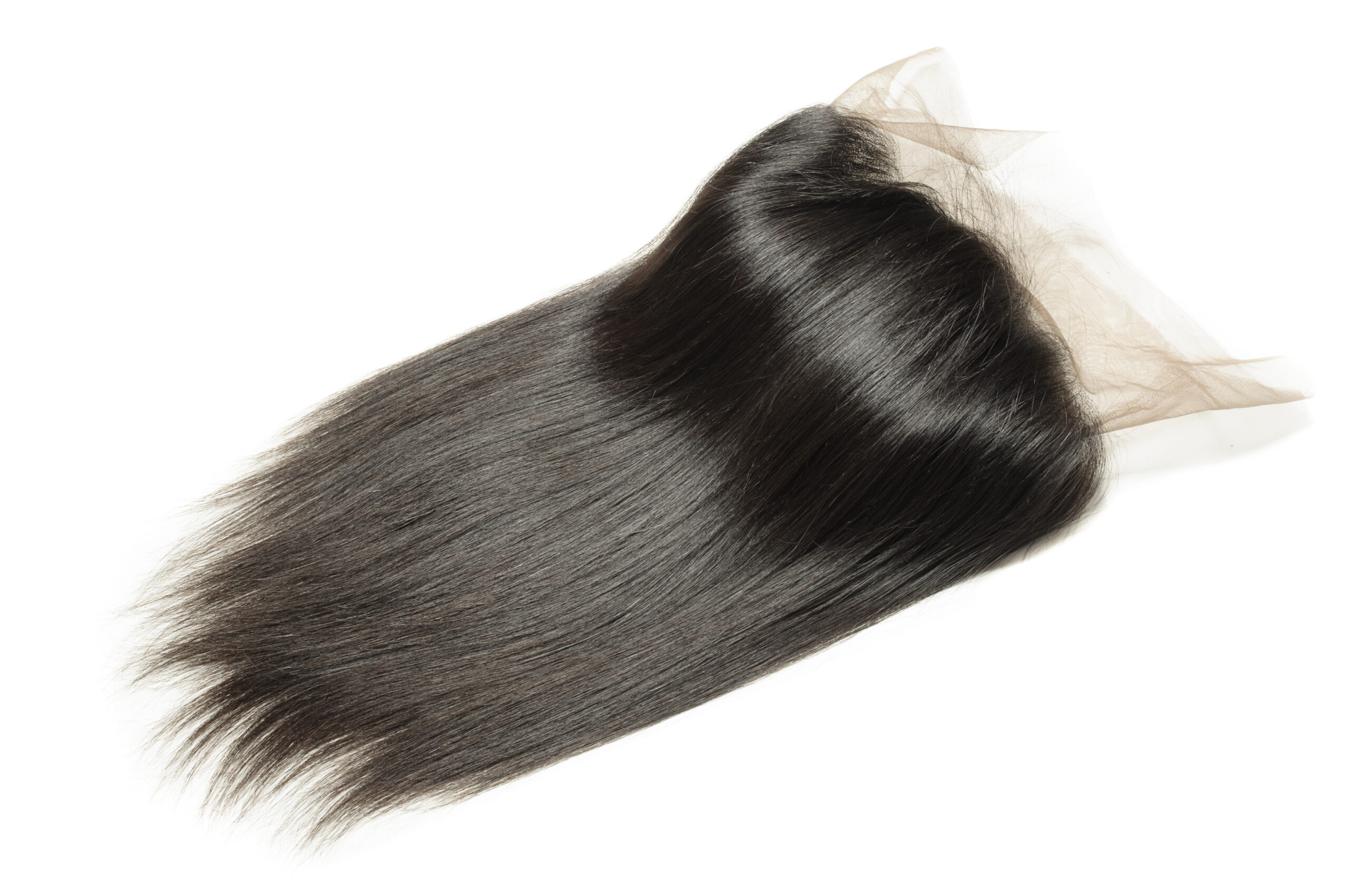
Wefts/weaves – These come as machine-sewn tracks/wefts of extension hair that can be sewn, glued, clamped, or clipped into your natural hair. Wefts allow for the most dramatic length and volume. A full sew-in weave requires professional styling and removal.
Human Hair vs Synthetic
When choosing hair extensions, one of the biggest decisions is whether to go with human hair or synthetic hair. Both have their advantages and disadvantages.
Human hair is made from real human hair that has been collected from donors. The main benefits of human hair include:
– Looks and feels incredibly natural since it’s actual real hair
– Blends seamlessly with your natural hair
– Can be colored, curled, straightened, and styled however you want
– Long-lasting if cared for properly
– Generally more expensive than synthetic
Synthetic hair is made from man-made fibers like kanekalon or modacrylic. The pros of synthetic hair include:
– More affordable initial cost than human hair
– Holds curls and style even when wet
– Quick and easy to apply and remove
– Can be washed and reused many times
– Doesn’t require much maintenance
– Not as natural looking or feeling as real hair
– Can’t be restyled with heat tools
– Tends to tangle more than human hair
When deciding between human vs synthetic extensions, consider your budget, how you plan to style the hair, and how natural you want it to look. Many people opt for a human hair top layer with synthetic hair underneath for more fullness and affordability. Talk to your stylist about the best option for your hair type and lifestyle.
Hair Texture and Color
When choosing hair extensions, it’s crucial to match both the texture and color to your natural hair. Texture refers to properties like straight, wavy, curly, thick or thin. The texture should blend seamlessly with your natural hair and not stand out as obviously fake.
For color, aim to match your natural root color as closely as possible. Heavily processed or dyed hair needs extra care in color selection. Try to match the tone and depth of your natural color. Light and dark strands should blend together. Avoid choosing colors very different from your own, as the roots will be extremely noticeable.
Consult with your stylist on the best texture and color options. Bring examples of your hair to compare. For custom blends, provide them with hair samples from different areas like your root, mid-shaft, and ends. With the right selection, hair extensions should mimic the look and feel of your natural hair.
Hair Extension Lengths
When choosing hair extensions, one of the most important decisions is the length. There are several typical lengths to choose from:
– Short hair extensions generally range from 8 to 12 inches long. These can add volume and thickness to short hairstyles.
– Medium length extensions are around 14 to 18 inches long. This versatile length can be used to add body or length to medium length hair.
– Long hair extensions go from 20 to 24 inches. They enable long, flowing hairstyles on shorter hair.
– Extra long extensions are 26 inches or longer. This dramatic length is used to transform short locks into very long, lavish hairstyles.
Consider your natural hair length and thickness when selecting the right extension length. Shorter natural hair often looks best with medium to long extensions to balance out the proportions. Very thick hair may only need added length from short to medium extensions.
The occasion also impacts ideal length. Extra long extensions tend to look formal and elegant for evenings out or events. Everyday styles usually call for short to medium lengths that blend seamlessly with natural hair.
Consult with your stylist about the right length extensions for your hair and lifestyle. With the array of lengths available, hair extensions can achieve looks from slightly enhanced volume to fairy tale flowing locks.
Hair Extension Placement
The placement of hair extensions is crucial for achieving a natural look. There are several techniques stylists use to blend extensions with your natural hair invisibly.
The most popular placement method is staggered layering. The stylist will separate your natural hair into multiple horizontal sections, usually starting from the nape of the neck up to the crown. Then the wefts of extensions are applied in a layered, staggered pattern within those sections. This creates a seamless blend and gradient look from root to tip.
Another technique is to create a U-shaped section at the back of your head. The extensions will be applied within that U shape to provide fullness. Your natural hair then falls over the extensions around your hairline creating a natural frame. This is perfect for adding length and volume.
For a very customized placement, strand-by-strand application may be used. The stylist will take small sections of your natural hair and attach the extension strands using beads or micro-links for a fully integrated look. While more time consuming, this can provide the most seamless result.
No matter the technique, it’s important your stylist tailors the placement to suit the location you want volume and length. A reputable stylist will also make sure the extensions are integrated in a way that minimizes tension on your natural hair. With proper placement and installation, hair extensions can look and feel totally natural.
Daily Maintenance
Properly caring for your hair extensions is crucial for keeping them looking beautiful day after day. Here are some tips for maintaining your extensions:
Brushing
– Use a wide-tooth comb or soft bristle brush specifically designed for extensions. Start from the bottom and gently work your way up to avoid tangling.
– Avoid over-brushing. Excessive brushing can cause friction and damage the extensions. Brush once or twice per day at most.
– Always brush before washing to de-tangle and prevent matting.
Washing
– Wash hair extensions every 2-3 days to keep them clean and hair oils under control. Over-washing can dry them out.
– Use a sulfate-free, moisturizing shampoo and conditioner made for extensions. Massage gently, rinse thoroughly.
– Avoid getting extensions wet or washing too often. The bonds and adhesive can become compromised.
Sleeping
– Always sleep with hair extensions tied up in a loose braid or high ponytail. This prevents tangling and friction while you sleep.
– Use a soft scrunchie or hair tie designed not to pull or damage the extensions. Avoid tight elastics.
– Sleep on a silk pillowcase if possible. The smooth surface helps minimize friction and pulling.
Following a diligent daily routine for brushing, washing and sleeping will help keep hair extensions looking beautiful, healthy and long-lasting. Proper maintenance is key!
Longevity and Replacement
The longevity of hair extensions depends on several factors like hair type, method of application, proper maintenance, and lifestyle factors like environmental exposure and activity level.
Human hair extensions generally last 3-6 months with proper care before needing to be replaced. The bonds securing them in place can weaken over time from washing, brushing, and heat styling. Excessive environmental exposure from sun, wind, or chlorinated water can also decrease their lifespan. Those leading an active lifestyle may require more frequent replacement as well. After 3-6 months, the extensions may start to loosen, tangle, or shed more. At this point, it’s best to have them fully removed and replaced.
Synthetic hair extensions don’t last as long, needing replacement every 1-3 months typically. The material is less durable than real human hair and more prone to tangling. Heat styling will quickly damage and melt the fibers over time too. As the extensions get older, the shine fades and texture roughens. Regular replacement is required to maintain a natural blended look.
When it’s time for removal and replacement, make an appointment with your stylist to have the extensions taken out properly. They should never be removed by yourself at home. The bonds will be dissolved for bead weft extensions or threads cut for sewn-in extensions. Fresh extensions can then be applied in the same placement for a seamless transition.
Costs
When looking to purchase premium hair extensions for everyday wear, cost is an important factor to consider. High-quality hair extensions don’t come cheap, but they are a worthwhile investment if you want extensions that look and feel natural while standing up to daily wear and tear.
For reference, here are typical price ranges for premium human hair extensions from reputable brands and stylists:
– Clip-in extensions: $100-$300
– Tape-in extensions: $200-$500
– Fusion/pre-bonded extensions: $300-$800
– Micro ring/loop extensions: $300-$900+
The price varies based on several factors:
– Hair type – Virgin and remy human hair is the most expensive. Synthetic hair is cheaper but doesn’t blend as naturally with your own hair.
– Amount of hair – More hair and length means a higher price. A full head of extensions requires 100-200+ grams of hair.
– Application method – Fusion and micro ring extensions take more time to install and are pricier than clip-ins.
– Quality and durability – Premium hair from ethical sources that lasts 6-12 months with proper care costs more upfront but saves money over cheap hair that tangles and sheds quickly.
– Stylist expertise – Experienced stylists charge more for their time, skill and careful technique.
While pricey, high-end hair extensions often work out to less than $100 per month over their usable lifespan, making them an affordable way to have beautiful, flowing locks every day. It’s worth investing more on quality hair and proper application for extensions that move and feel seamless.
Choosing a Stylist
When it comes to choosing a stylist to apply your hair extensions, you’ll want to find someone experienced and knowledgeable. Here are some things to look for:
– Experience with various hair extension methods – Make sure your stylist has experience applying different types of extensions like tape-in, micro links, wefts etc. They should be able to advise you on which method will work best for your hair type and desired look.
– Knowledge of hair textures – A good extension stylist will understand how to work with different hair textures like straight, wavy, curly, thick or thin hair. This ensures proper application and blending with your natural hair.
– Education and training – Choose a stylist who has received specialized education and training in hair extensions. Many attend classes by hair extension educators or brands to learn proper techniques.
– Check reviews and photos – Read online reviews and look at before and after photos of previous extension clients to evaluate the stylist’s skills. Make sure their work looks clean, natural, and seamless.
– Salon hygiene – Visit the salon to check that it looks clean, tidy and uses sanitized tools. Proper hygiene is crucial when having something applied to your hair/scalp for extended periods.
– Personality match – Make sure you feel comfortable with the stylist’s demeanor and can communicate easily. Discuss your hair goals and expectations thoroughly so you’re on the same page.
Doing your homework to find an experienced, qualified extension stylist will help ensure you receive beautiful, natural looking results and healthy hair throughout the application process. Take your time finding the right stylist for you.